Cascading Incentives: How Bonus Structures in Contracts Alter Seasonal Dynamics in Football, Basketball, and Soccer
Written by Yves Koch · Sep 18, 2026
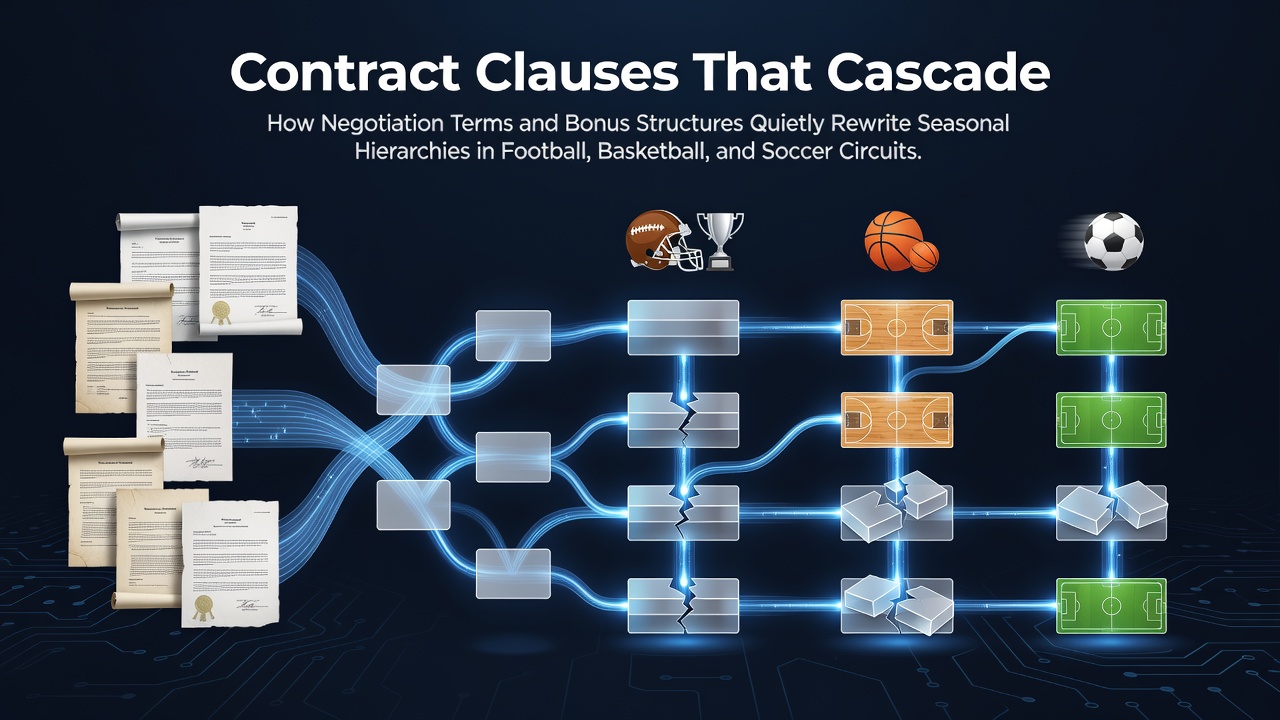
Cascading Incentives: How Bonus Structures in Contracts Alter Seasonal Dynamics in Football, Basketball, and Soccer
Contract negotiations in major leagues often include layered incentives that extend beyond base salaries, and these terms create measurable shifts in team compositions each season. Data from league offices shows that performance-based clauses tied to individual statistics or collective achievements influence roster decisions across football, basketball, and soccer circuits, particularly as September 2026 approaches with new fiscal periods underway.
Mechanics Behind Cascading Clauses
Teams structure contracts with escalating bonuses for milestones such as games played, statistical thresholds, and postseason qualifications, while these provisions interact with salary caps and luxury taxes in ways that force front offices to recalibrate strategies mid-cycle. Observers note that a single player's achievement of an incentive package can free or restrict resources for subsequent signings, and this pattern repeats across different leagues because each maintains distinct collective bargaining agreements that govern how bonuses count against team payrolls.
Researchers tracking contract data have documented cases where bonus triggers led to accelerated trades or extensions, and the effects compound when multiple players on the same roster reach similar thresholds simultaneously. In practice this produces adjustments to depth charts that would not occur under flat salary arrangements alone.
Football Circuits and Incentive Impacts
Within American football, contracts frequently tie bonuses to snap counts and advanced metrics such as quarterback pressures or coverage grades, and these clauses interact with the NFL's hard salary cap to determine which veterans remain on rosters versus those released before training camps conclude. League records indicate that several teams in recent seasons adjusted their offensive line spending after defensive players activated large incentive payments, thereby altering positional hierarchies on both sides of the ball.
Front offices review these structures each offseason because a single high-impact bonus payout can reduce available funds for free-agent acquisitions the following year, and this sequence repeats across conferences where competitive windows shift rapidly.
Basketball League Adjustments
Basketball contracts incorporate incentives for minutes played, three-point accuracy, and defensive win shares, while the NBA's soft cap and repeater tax rules amplify the downstream consequences when players hit those marks. Analyses of recent seasons reveal that teams have deferred or accelerated trades once bonus obligations became clear, particularly when luxury tax payments threatened future flexibility under the apron rules.
Those who monitor roster construction note that mid-level exception signings often hinge on whether existing players are projected to reach incentive thresholds, and this calculation shapes rotation patterns that carry through entire campaigns.
Soccer Circuits and Performance Triggers
Soccer leagues operate under varied financial regulations, yet many clubs embed appearance bonuses, goal tallies, and clean-sheet incentives into player agreements that affect squad registration lists submitted to governing bodies. Figures from domestic leagues show that successful bonus activations have prompted clubs to sell assets earlier than planned or to accelerate youth promotions to offset payroll increases.

European transfer windows provide concrete examples where a forward's goal bonus payout altered wage structures for incoming signings, and similar dynamics appear in South American and Asian circuits where salary caps or financial fair play rules apply. The result is a redistribution of playing time that favors certain positional groups over others depending on which incentives remain active.
Cross-League Patterns and Data Trends
Comparative studies of contract databases demonstrate that cascading effects appear most pronounced when bonus structures overlap with revenue-sharing models or broadcast deals that reward higher finishes. A report from FIFPRO highlights how collective bargaining outcomes in multiple countries have incorporated stricter disclosure requirements for incentive terms, allowing clubs greater foresight into potential payroll spikes.
Additional analysis from the NFL Players Association contract data underscores that teams maintaining diversified bonus portfolios experience fewer mid-season disruptions than those concentrated on a narrow set of statistical triggers. These patterns hold across the three circuits because each league's economic model rewards sustained performance rather than isolated peaks.
Conclusion
Contract clauses that cascade through bonus structures continue to shape roster hierarchies in football, basketball, adn soccer by linking individual achievements to broader team resource allocation. League data collected through 2026 confirms that these mechanisms operate consistently across seasons, prompting ongoing adjustments in negotiation approaches and roster planning. As financial regulations evolve, the interplay between incentives and standings remains a central factor in how organizations build competitive squads year after year.