Sponsorship Ecosystems and Their Connection to Sustained High Achievement in Elite Sports
Written by Erik Lange · Oct 16, 2026
Sponsorship Ecosystems and Their Connection to Sustained High Achievement in Elite Sports
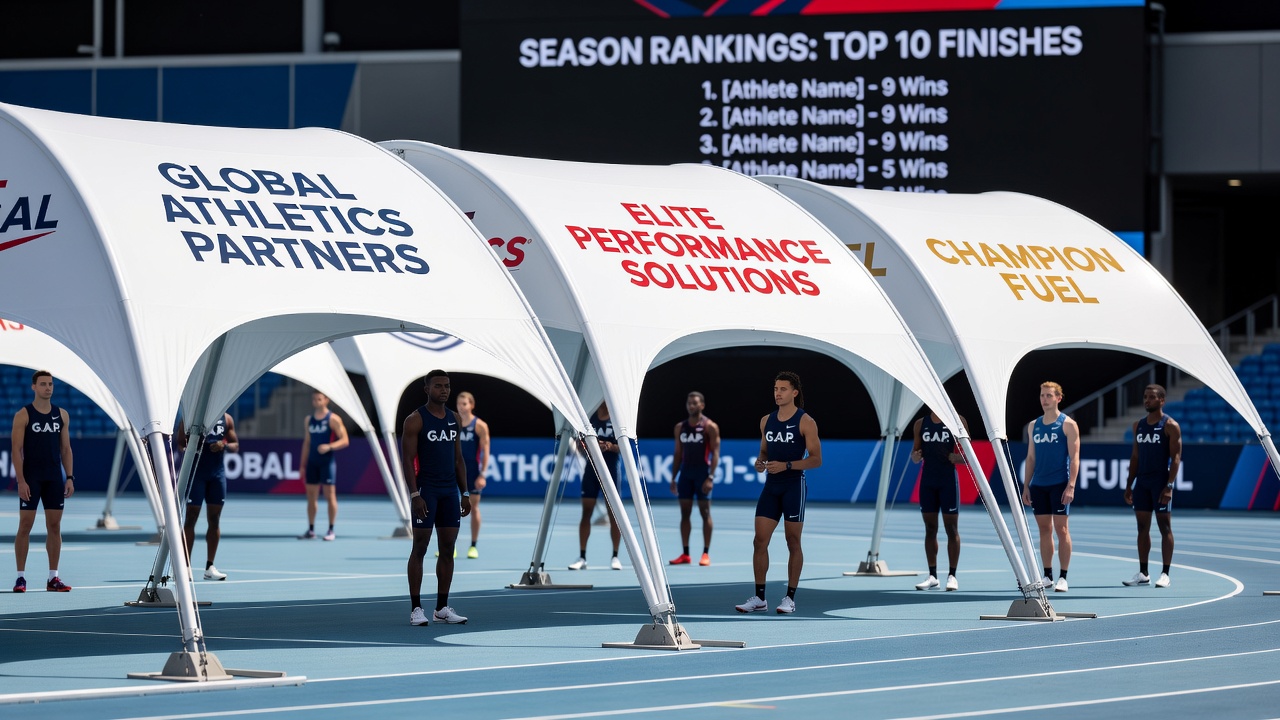
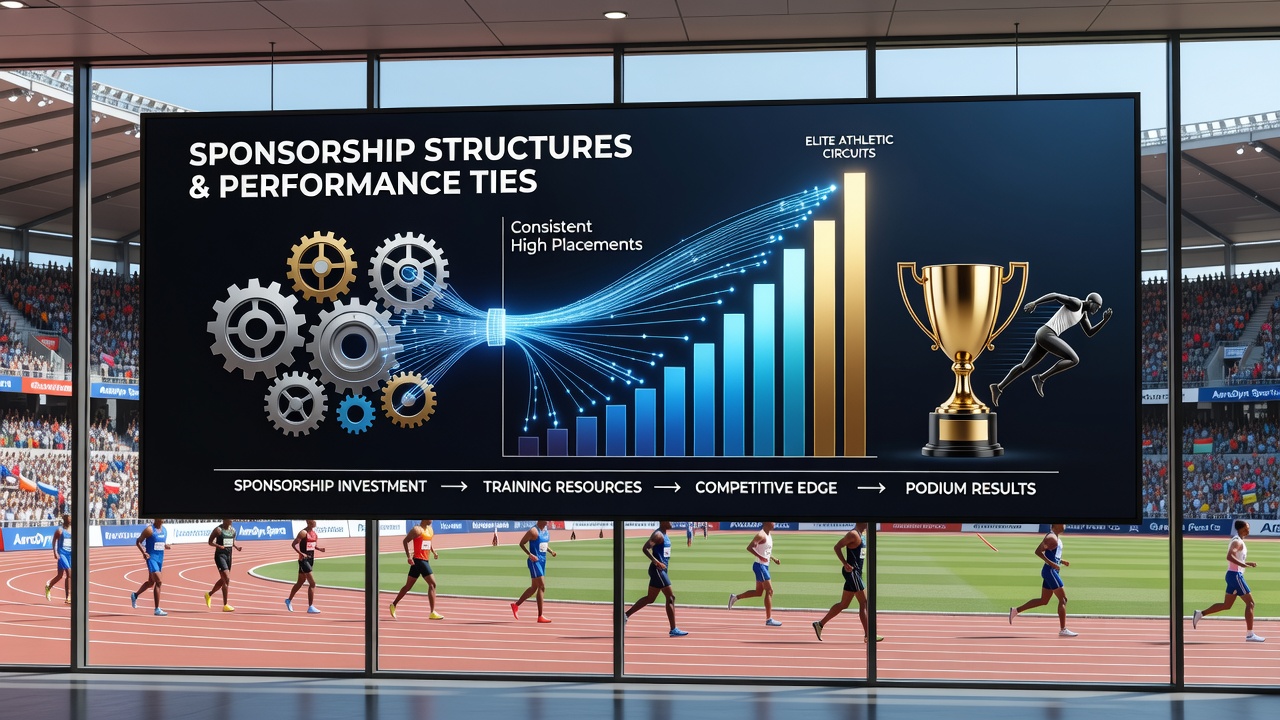
Sponsorship structures in elite athletic circuits typically follow tiered models that bundle financial support with access to specialized resources, and these arrangements often align with athletes who maintain top placements over multiple seasons. Data from various sports governing bodies shows that athletes under multi-year contracts with equipment manufacturers and apparel brands receive consistent funding streams that cover training facilities, recovery protocols, and travel logistics. Such backing reduces variability in preparation cycles, which in turn correlates with fewer performance dips during extended competition schedules across circuits like track and field or professional tennis tours.
Long-term deals, rather than one-off endorsements, tend to incorporate performance incentives tied to rankings and podium finishes, creating feedback loops where sustained results unlock additional resources. Observers note that these structures appear most frequently in endurance and racket sports, where athletes compete in dozens of events annually and require steady logistical support to avoid burnout or injury accumulation.
Resource Allocation Patterns in Tiered Sponsorship Agreements
Primary sponsors often provide base stipends alongside performance bonuses, while secondary partners contribute targeted items such as nutrition supplements or biomechanical analysis tools. Research from the Australian Institute of Sport indicates that athletes with diversified sponsorship portfolios maintain higher training volumes without corresponding increases in self-funded expenses, and this pattern holds across Olympic and professional pathways. The structure allows for seamless integration of medical and technical staff, since sponsors frequently embed their own experts into athlete support teams.
Short-term contracts, by contrast, show weaker associations with repeated high placements because they lack continuity in resource delivery. Figures from league financial disclosures reveal that athletes who switch sponsors frequently encounter gaps in equipment upgrades or coaching continuity, which disrupts the incremental gains needed for consistent circuit dominance.
Geographic and Circuit-Specific Sponsorship Distributions
European football clubs and North American basketball franchises demonstrate distinct sponsorship layering compared with individual sports, yet the underlying mechanism remains similar: centralized funding channels that stabilize team operations and player development pipelines. A study conducted by researchers at the University of Toronto documented how multi-season sponsorship renewals in basketball coincided with reduced roster turnover and improved playoff consistency metrics over a decade of league data. Similar patterns emerge in swimming and cycling, where national federations coordinate sponsor pools to support training camps and competition calendars.
Corporate partners from technology and automotive sectors increasingly favor athletes or teams with proven multi-year track records, which reinforces existing hierarchies. This selection preference appears in contract announcements released during the 2025-2026 off-seasons, where renewal rates exceeded 70 percent for athletes finishing in the top quartile of their respective circuits according to aggregated ranking databases.
Performance Metrics Linked to Sponsorship Longevity
Longitudinal analyses of athlete earnings reports and ranking histories demonstrate that individuals under contracts exceeding three years post higher average placement scores than peers with annual renewals. The linkage stems from predictable access to altitude training facilities, custom nutrition programs, and real-time performance analytics that sponsors supply as part of their deliverables. Those who have examined circuit data across multiple eras note that the effect compounds when sponsorships include clauses for injury rehabilitation support, allowing faster return-to-competition timelines.
Yet sponsorship structures alone do not guarantee outcomes, since talent identification and coaching quality remain foundational variables. Data sets compiled by international federations illustrate that the strongest correlations emerge when sponsorship resources complement established training methodologies rather than replace them.
Conclusion
Sponsorship architectures that emphasize duration and resource integration show measurable associations with repeated high placements across elite athletic circuits, as evidenced by financial disclosures and ranking databases. These frameworks operate through stable funding, embedded expertise, and performance-aligned incentives that reduce external variables affecting preparation and recovery. Continued examination of contract structures across regions and disciplines will clarify how evolving corporate strategies intersect with athletic consistency in future seasons.