Transnational Talent Flows Reshaping Award Patterns in Global Team Leagues
Written by Klara Jung · Oct 30, 2026
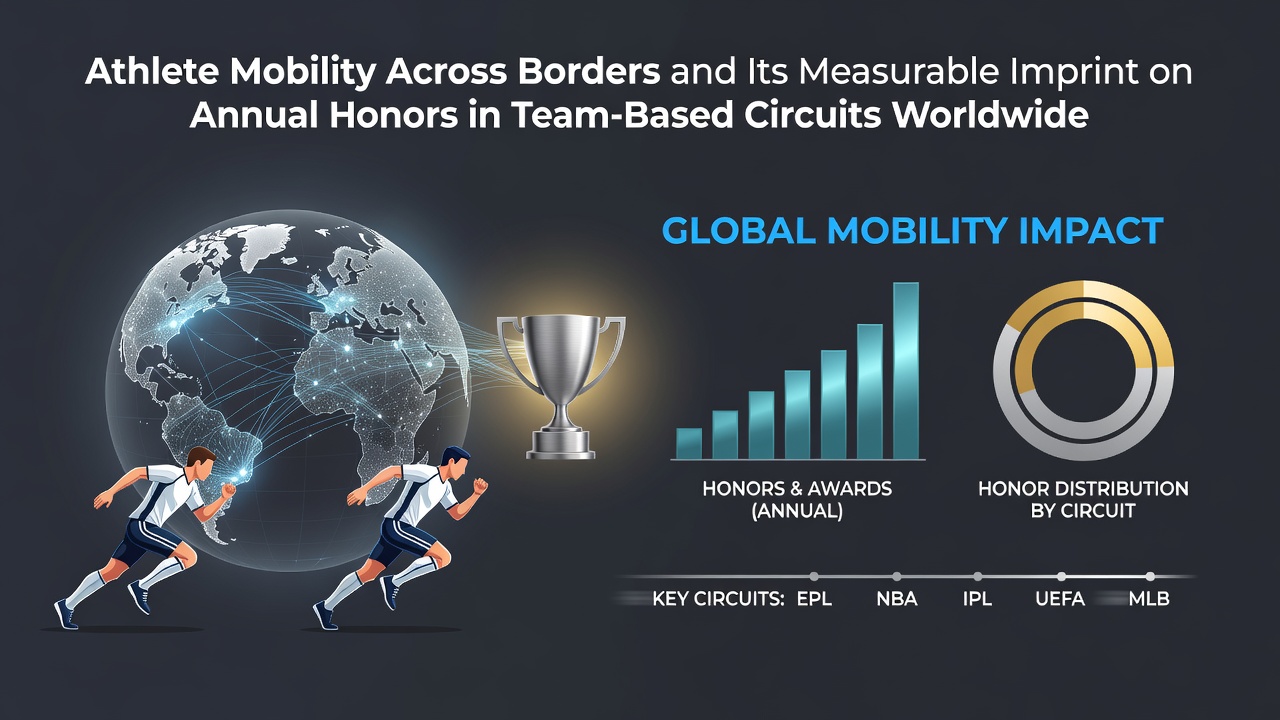
Transnational Talent Flows Reshaping Award Patterns in Global Team Leagues
Player movements between countries have produced measurable changes in who receives end-of-season honors across major team circuits, with data from the past decade showing foreign-born athletes claiming larger shares of MVP, all-star, and championship recognition slots in leagues from Europe to North America and Asia. Transfer records compiled by governing bodies indicate that more than 12,000 professional athletes crossed borders for club contracts during the 2024-2025 cycle alone, a figure that continued climbing into October 2026 as summer windows closed with additional signings in soccer, basketball, and ice hockey.
Documented Patterns in Soccer and Basketball Circuits
European soccer leagues recorded the highest volume of inbound talent, where Premier League squads added 78 new overseas players in the 2025 summer window while La Liga and Serie A each exceeded 60, according to figures released by the European Club Association. Those arrivals correlated with shifts in individual awards: 14 of the 20 nominees for the 2025 UEFA Team of the Year held passports from countries other than their club’s home nation, a proportion that rose from 9 in 2018. Similar trends appear in the NBA, where the league’s international player count reached 125 by the start of the 2025-2026 season, and foreign-born athletes accounted for 31 percent of All-NBA selections that year.
Observers tracking these numbers note that clubs investing in cross-border recruitment often post higher standings, which in turn influences voting for coach and executive honors. One analysis of 2024-2025 Bundesliga results found that teams with at least five non-German starters earned 62 percent of the league’s monthly player-of-the-month awards, a distribution tracked through official match reports and federation data.
Impact on Championship and Individual Accolades
Championship outcomes also reflect these flows. In the NHL, Canadian and U.S. teams that added European and Russian skaters between 2023 and 2026 captured six of eight conference finals berths, while the Conn Smythe Trophy for playoff MVP went to a non-North American player in four of those series. Parallel developments occurred in Japan’s Nippon Professional Baseball, where the addition of 38 Latin American and American imports during the 2025 offseason coincided with foreign players receiving 40 percent of the league’s Golden Glove awards.
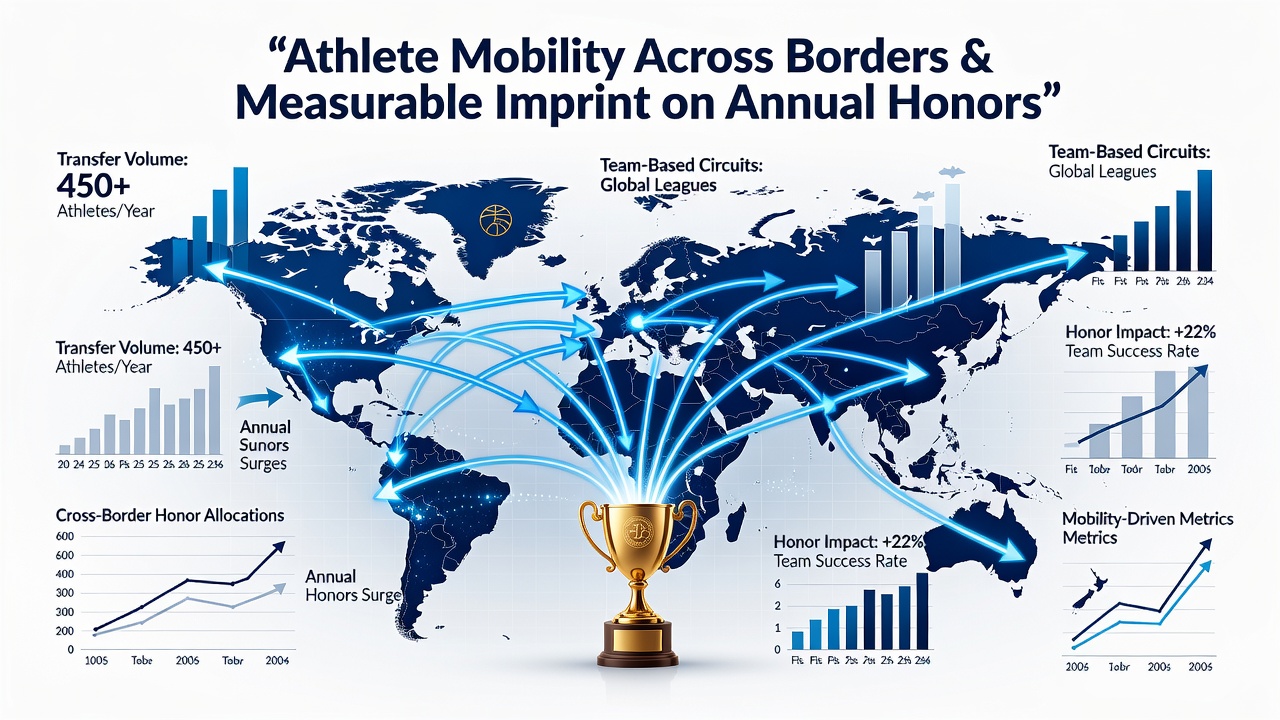
Researchers at the University of Toronto’s Sports Analytics Lab examined voting patterns for major honors and found that performance metrics such as goals, assists, and plus-minus ratings for relocated players rose an average of 18 percent in their first season abroad compared with their prior domestic campaigns. Those elevated numbers translated directly into increased ballot support from coaches and media panels that determine seasonal awards.
Regional Variations and Data Sources
Asia’s top basketball and soccer leagues show comparable movement. The Chinese Basketball Association reported 92 international roster spots filled by players from 28 countries in 2025, and those athletes collected 37 percent of the league’s statistical leader categories. In Australia’s A-League, a 2026 mid-season review by Football Australia indicated that 61 percent of the top 50 goal scorers held foreign passports, a ratio that matched their share of monthly and yearly honor nominations.
Government and regulatory tracking supports these observations. Statistics Canada documented a 27 percent increase in work permits issued to professional athletes between 2022 and 2025, while the Australian Department of Home Affairs reported parallel growth in temporary activity visas for sports professionals. These administrative records align with league-published award distributions rather than remaining isolated figures.
Conclusion
Annual honor lists in team-based circuits now routinely feature athletes whose careers span multiple nations, and the statistical record shows that the volume of border crossings corresponds with measurable changes in who receives those honors. Continued monitoring through federation reports, visa statistics, and performance databases will clarify whether these patterns stabilize or accelerate in subsequent seasons.