Valuation Algorithms in Professional Sports Leagues Forecast Standings Transitions
Written by Mia Long · Nov 13, 2026
Valuation Algorithms in Professional Sports Leagues Forecast Standings Transitions
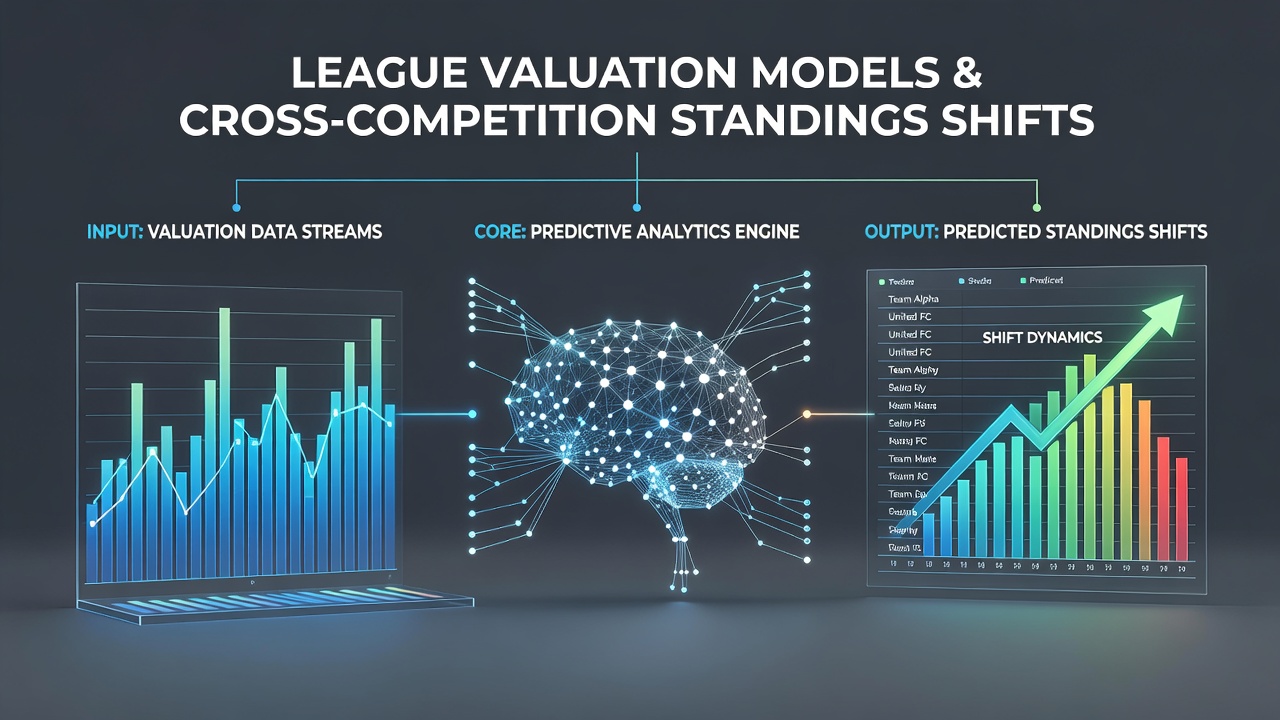
League valuation models combine statistical inputs from player performance, team finances, and historical outcomes to generate forecasts about how clubs might move within rankings, and these tools operate across soccer, basketball, and hockey circuits where observers track mid-season adjustments. Data from multiple seasons shows that models incorporate variables such as goal differentials, possession statistics, and salary cap compliance to assign numerical values that indicate potential shifts, while researchers at institutions like the Massachusetts Institute of Technology have published studies demonstrating correlations between these valuations and actual end-of-season positions.
Core Components of Valuation Frameworks
Analysts build these systems around weighted metrics that include offensive efficiency, defensive stability, and roster depth, and the frameworks adjust for external factors like travel schedules or injury rates that alter team capacities over time. One approach uses regression analysis to link past standings movements with current data points, whereas another relies on machine learning algorithms that process real-time updates from games played through early November 2026. Those who study these patterns note that models often recalibrate after each match week, producing updated projections that highlight which teams may climb or drop several spots before playoffs begin.
Figures from league offices reveal that valuation outputs help identify undervalued squads whose metrics suggest greater upside than their current records indicate, and such identifications frequently precede observable changes in cross-competition hierarchies. In basketball, for instance, advanced models factor in pace-adjusted scoring and three-point volume to predict conference realignments, while soccer applications emphasize expected goals and set-piece conversion rates that correlate with league table movements.
Applications Across Different Competitions
National Basketball Association teams employ valuation systems that integrate draft pick values with free-agent acquisition costs, and these calculations have aligned with observed rises in certain franchises during seasons marked by key trades. Hockey leagues apply similar logic when assessing goaltender workloads alongside skater contributions, producing outputs that forecast divisional order changes based on cumulative player ratings. Researchers tracking European soccer competitions have documented how models incorporating transfer market data predict mid-table surges or drops for clubs adjusting to new ownership structures or coaching staff arrivals.
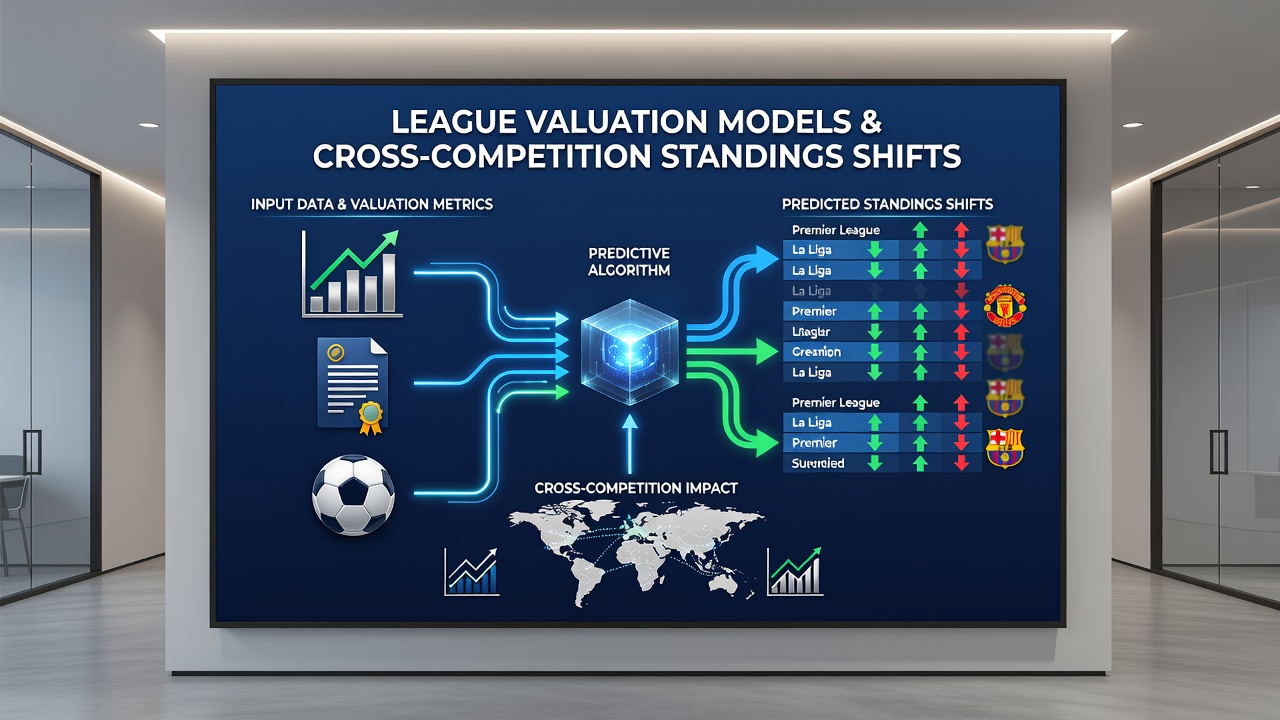
Cross-league comparisons become possible when standardized valuation scales convert metrics from one sport into comparable units for another, and this standardization allows analysts to examine talent pipelines that move players between competitions. Data indicates that such conversions highlight instances where a high valuation in a minor league corresponds to rapid integration and subsequent standings impact in a major league setting. Observers note that November 2026 updates to several models incorporated fresh international tournament results, refining projections for domestic campaigns that extend into the following year.
Predictive Accuracy and Adjustment Mechanisms
Validation studies compare model outputs against final standings at season's end, and accuracy rates vary according to the number of variables included and the frequency of recalibration. Teams that integrate valuation insights into roster decisions often experience measurable improvements in their projected positions, according to reports issued by sports analytics groups. Models also account for rule modifications, such as changes to overtime procedures or video review protocols, which can shift expected point totals and therefore alter valuation distributions across entire divisions.
External data sources feed into these systems through partnerships with performance tracking companies, and the resulting datasets enable continuous refinement that reduces forecast errors over successive seasons. Those examining multiple leagues simultaneously find that valuation models sometimes detect early signals of broader talent redistribution patterns that later manifest as standings volatility in related competitions. Academic papers from Canadian universities have examined how these signals appear in hockey contexts, whereas Australian research has focused on cricket and rugby applications that share similar structural elements.
Integration with Talent Movement Tracking
Valuation outputs frequently intersect with analyses of player transfers and draft selections, creating layered predictions about how new arrivals might accelerate or hinder team progress within standings. When a high-value prospect joins a mid-tier club, models update to reflect potential ranking gains, and historical records show several cases where such updates preceded actual improvements documented in official league tables. This process operates across borders when international signings bring metrics from one competition into another, prompting recalibrations that affect forecasts for both origin and destination leagues.
Industry organizations maintain repositories of valuation data that researchers access to test new weighting schemes, and these repositories support longitudinal studies spanning multiple eras of rule evolution and equipment changes. The resulting evidence suggests that models maintain utility even when external conditions evolve, provided they incorporate sufficient flexibility to absorb new inputs without losing core predictive capacity.
Conclusion
League valuation models serve as structured tools that translate performance and contextual data into forward-looking assessments of standings potential, and their role in highlighting possible shifts continues to expand as data collection methods improve. Ongoing refinements through academic and professional channels ensure these frameworks remain aligned with the dynamics observed in active competitions around the world.