Virtual Simulation Technologies Accelerating the Rise of New Standouts in Football, Hockey, and Volleyball
Written by Erik Lange · Oct 2, 2026
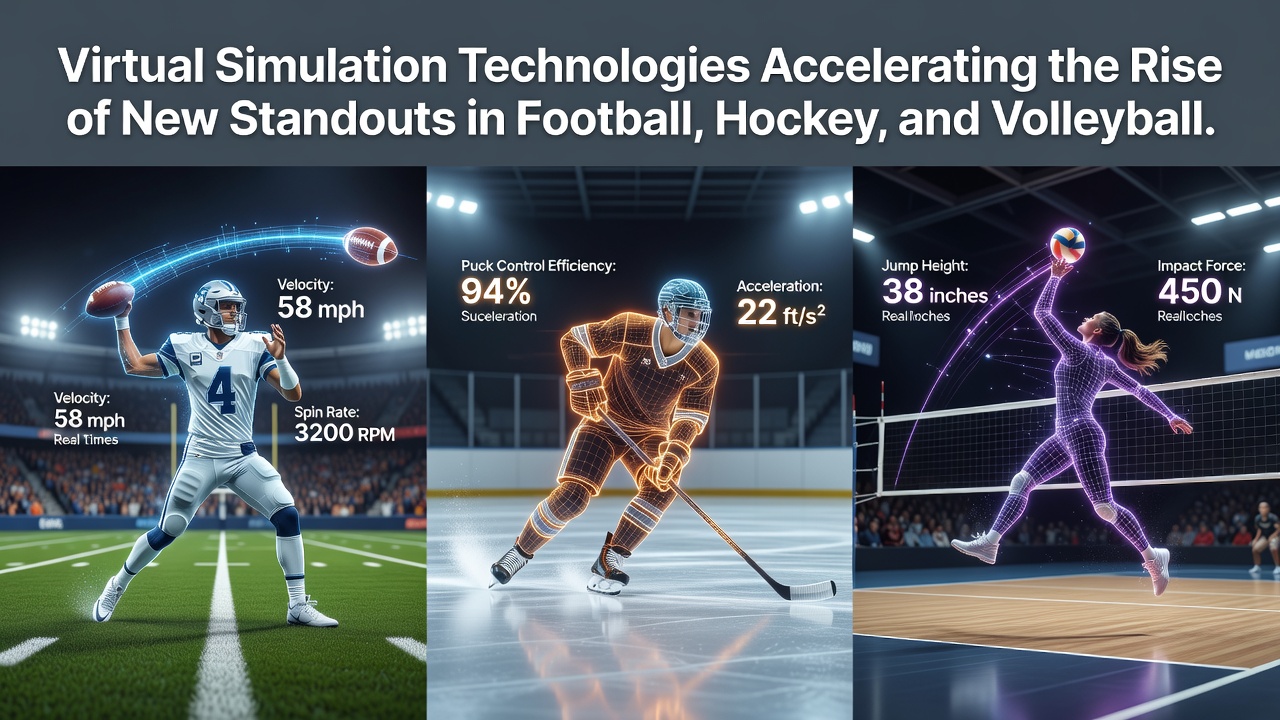
Virtual Simulation Technologies Accelerating the Rise of New Standouts in Football, Hockey, and Volleyball
Virtual simulation technologies have expanded across football, hockey, and volleyball programs since the early 2020s, and data from October 2026 shows measurable shifts in how emerging athletes reach professional levels. Training platforms now combine motion capture, AI-driven scenarios, and immersive environments that replicate game conditions without physical contact, which allows coaches to isolate decision-making skills and track performance metrics in controlled settings. Researchers at institutions such as the Australian Institute of Sport have documented how these tools shorten the timeline between youth development and senior team integration across multiple leagues.
Core Components of Current Simulation Systems
Modern setups integrate high-resolution headsets with real-time feedback loops that adjust difficulty based on an athlete's previous session data, and this approach lets players repeat high-pressure moments like penalty shootouts in football or power-play entries in hockey hundreds of times per week. Volleyball programs have adopted similar modules that simulate serve reception under varying crowd noise levels and lighting conditions, while the software records reaction times and body positioning down to the millisecond. Organizations including the NCAA have reported that teams using these platforms saw average improvements in situational awareness scores during the 2025-2026 season compared with traditional video review alone.
Application Across Football Programs
Football academies in Europe and South America now route prospects through weekly virtual modules that mirror opponent formations drawn from recent match footage, and the systems generate thousands of permutations so players encounter scenarios they rarely see in live training. One academy in Portugal tracked 47 under-19 graduates who advanced to senior squads between 2024 and 2026, noting that those with above-average simulation completion rates reached first-team minutes faster than peers without access. The technology also flags subtle movement patterns that correlate with injury risk, allowing medical staff to intervene before physical symptoms appear.
Impact on Hockey Development Pathways
Hockey organizations have layered simulation onto existing off-ice conditioning routines, and Canadian junior leagues documented a rise in draft-eligible players who credited virtual goaltending drills for improved puck-handling decisions under fatigue. In October 2026, several NHL scouting reports referenced simulation-derived metrics when evaluating prospects from the Canadian Hockey League, where teams upload opponent tendencies into the software weeks before actual games. This preparation method reduces the learning curve once athletes reach professional training camps, where ice time remains limited during early weeks.
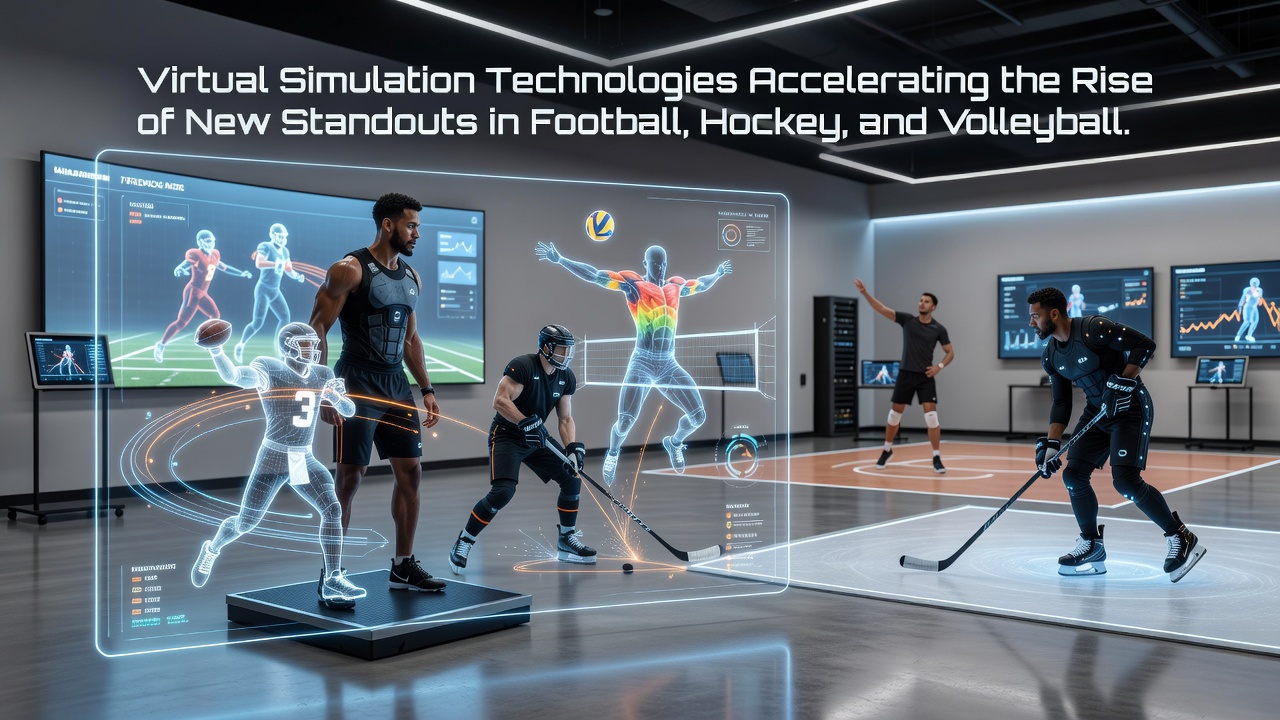
Volleyball Training Adaptations
Volleyball federations across Asia and North America introduced portable simulation kits for national team camps in 2025, and the equipment recreates block timing against simulated attackers who vary approach speeds and arm angles. Data collected during the 2026 FIVB Volleyball Nations League showed that athletes who logged more than 150 hours in these environments posted higher kill percentages in clutch sets than those relying solely on court-based repetition. Coaches use the aggregated datasets to identify which players consistently read setter cues earlier, a skill that translates directly to match play but proves difficult to isolate without repeated virtual exposure.
Performance Data and Talent Identification
League-wide tracking systems now feed simulation outputs into centralized databases that rank prospects by decision accuracy rather than raw physical attributes alone, and this shift has altered scouting priorities in all three sports. A joint study released by the International Olympic Committee and several European sports science centers in mid-2026 highlighted correlations between simulation proficiency and on-field statistical gains over two-year periods. Teams that integrated these scores into draft or transfer evaluations reported fewer mid-season adjustments for rookies who had previously struggled with game speed.
Integration Challenges and Ongoing Adjustments
Some programs still face hardware costs and data-privacy concerns when scaling simulation access to younger age groups, yet federations have begun sharing standardized protocols that lower entry barriers for smaller clubs. In October 2026, several regional hockey associations in Scandinavia announced subsidized equipment loans after reviewing retention rates among players who started simulation training before age 14. Similar pilots in volleyball regions of Brazil and Italy focus on mobile versions that run on tablets, allowing coaches in remote areas to upload session results to shared platforms without dedicated facilities.
Conclusion
Virtual simulation technologies continue to reshape how new athletes progress through football, hockey, and volleyball development systems, with performance records from 2026 demonstrating accelerated transitions for those who combine virtual hours with traditional practice. Continued refinement of these tools, alongside broader access across regions, supports the pattern of standouts emerging earlier and sustaining higher consistency once they reach professional ranks.